Customized Elderly Care Services: Your Ally in Aging Gracefully
Personalized elderly support programs play a vital element in assisting seniors as they advance in age. These options concentrate on personal needs and requirements, offering essential assistance that enhances both self-reliance and well-being. With choices spanning from social engagement to expert health care, families often face obstacles in choosing the right strategy. Comprehending the various facets of customized care can result in significant gains in quality of life for older individuals. What elements should one consider when picking a care provider?
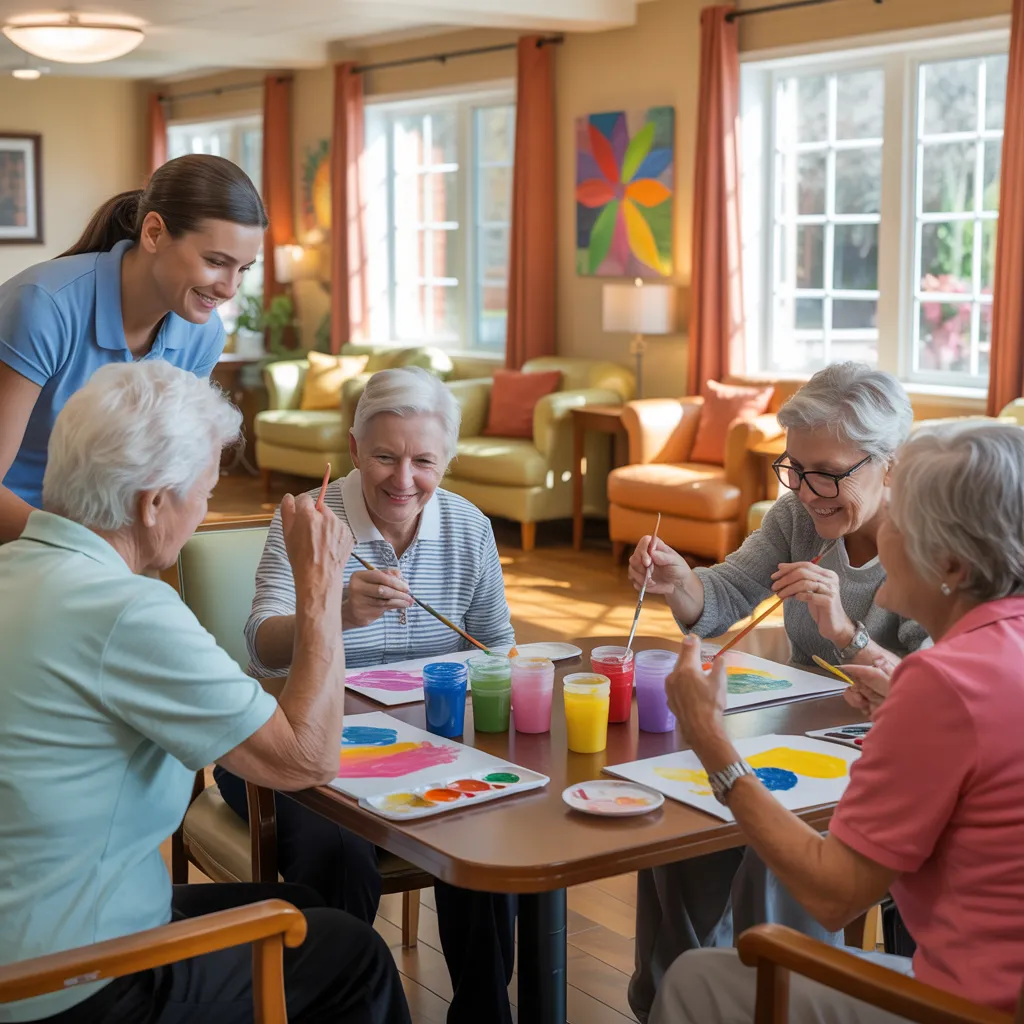
Learning About Personalized Senior Care Solutions
Personalized support can include assistance with daily activities, health monitoring, and companionship, all designed to support independence and dignity. By focusing on the person, care providers can cultivate a sense of community and purpose, which is essential for psychological well-being. Additionally, these services often adjust over time, addressing the evolving requirements of the older adults. This flexibility allows for ongoing assessment and modification, guaranteeing that care remains relevant and impactful. Ultimately, personalized senior services is about improving the general quality of life of older adults in a respectful and compassionate manner
Types of Customized Senior Care Services
Personalized senior care services encompass a range of options customized to address personal needs. Key categories feature home-based care services that deliver support within the comfort of one's home, as well as specialized health services designed for particular health issues. These services work to improve the quality of life for elderly individuals, guaranteeing they receive the appropriate support.
Domestic Care Selections
As families work to ensure their family members obtain the best possible care, various at-home care options emerge to fulfill diverse needs. Companion care services deliver mental health assistance and interpersonal engagement, aiding seniors overcome loneliness while assisting with daily activities. Personal care aides emphasize hygiene and physical assistance, confirming safety and comfort in a familiar environment. For those requiring more assistance, homemaker services extend help with household tasks such as cleaning, cooking, and laundry, allowing seniors to copyright their independence. Respite care supplies short-term relief for primary caregivers, granting vital breaks while ensuring continuity of care. Each option stresses personalized attention, permitting families to choose the level of support that corresponds to their loved one's unique requirements.
Health Services Focus
Handling the obstacles of aging often requires specialized health services adapted to meet the distinct medical needs of seniors. These services provide a range of offerings, such as geriatric assessments, chronic disease management, and physical therapy. Geriatric assessments evaluate an individual's overall health, pinpointing specific needs and interventions. Chronic disease management concentrates on conditions like diabetes or heart disease, providing ongoing support and education to ensure ideal health outcomes. Physical therapy enables seniors regain mobility and strength, improving their quality of life. Additionally, mental health services support emotional well-being, delivering counseling and support groups. By merging these specialized services, seniors can navigate their health journeys with greater assurance and support, ultimately promoting a more graceful aging process.
Important Perks of Personalized Elderly Care
Personalized elderly support delivers considerable advantages by utilizing person-specific treatment plans that satisfy unique needs. This tailoring not only promotes better medical outcomes but also strengthens the quality of life for seniors. By concentrating on the personal choices and requirements of each senior, tailored care builds a supportive community perfect for health and wellness.
Personalized Care Programs
A burgeoning collection of senior care services are discerning the importance of tailored care plans, which cater specifically to the distinct individual requirements and preferences of each individual. These personalized plans assess various considerations, covering medical history, physical capabilities, and emotional well-being, ensuring that care is not only effective but also respectful of the elderly person's daily life comprehensive article and desires. By incorporating family members and caregivers in the strategic planning, these services support a collective strategy that elevates satisfaction and compliance. Equally important, tailored care plans can develop, reflecting changes in health status or personal preferences, thereby facilitating ongoing support. This personalized focus helps seniors safeguard self-determination while receiving the care they require, ultimately fostering more meaningful and fulfilling experiences.
Elevated Quality Of Living
Numerous investigations reveal that personalized senior care greatly boosts the quality of life for older adults. By focusing on personal needs, inclinations, and lifestyles, these services promote physical, emotional, and social well-being. Tailored care plans can lead to better health outcomes, as they often include customized nutrition, exercise, and medication management. Additionally, personalized attention fosters meaningful relationships between caregivers and seniors, diminishing feelings of isolation and loneliness. This supportive environment stimulates active engagement in daily activities, enhancing mental stimulation and overall happiness. Ultimately, personalized senior care not only addresses medical needs but also enriches the emotional and social dimensions of aging, allowing older adults to thrive and maintain their dignity.
Picking the Appropriate Aging Care Company
How can relatives ensure they select the most suitable elderly care facility for their loved ones? The process starts with comprehensive investigation. Families should evaluate candidate facilities based on qualifications, experience, and care services provided. Reading internet testimonials and testimonials can provide useful information into the standard of care provided.
Subsequently, scheduling consultations enables families to pose specific questions, ensuring that the provider's philosophy and approach align with their loved one's requirements. It is crucial to assess the care setting's atmosphere and personnel engagement, as these elements significantly impact the quality of care.
Additionally, confirming proper licensing and accreditation can facilitate families evaluate the provider's reliability. Comprehending the cost structure and accessible financial alternatives is similarly critical to eliminate unanticipated bills. In conclusion, choosing a senior care provider should incorporate a blend of extensive research and human connection, ensuring that the selected option supports the loved one's quality of life and respect.
Boosting Autonomy and Safety for Seniors
In addition, technology represents an important function in promoting independence. Devices including medical alert systems and home monitoring solutions enable seniors to direct their daily activities with confidence. Individualized care programs, adjusted to individual needs, further support seniors in enjoying hobbies and social engagements, building a sense of purpose.
In addition, care workers deliver assistance managing daily tasks while inspiring seniors to take on as much involvement as possible. This mix of support and agency not only heightens safety but also strengthens self-esteem, ultimately advancing a more gratifying and independent lifestyle for seniors.
Success Stories: How Customized Care Transformed Lives
Tailored support has demonstrated transformative results for numerous seniors, showing the deep impact that tailored support can exert on their lives. One instance of this triumph is a 78-year-old woman called Margaret, who experienced challenges regarding physical movement and social isolation. Upon enrolling in a personalized care initiative, she gained assistance that featured customized fitness routines and community interaction initiatives. Within months, Margaret rebuilt physical strength and confidence, enabling her to participate in local happenings.
In the same way, John, a 72-year-old veteran with memory challenges, profited from one-on-one brain activation programs customized for his interests. His caregiver included familiar themes from his military service, cultivating meaningful conversations and lessening anxiety.
These cases demonstrate how individualized attention not only addresses unique requirements but also improves psychological health. By customizing services to each senior's distinct needs, support workers can greatly improve living standards, enabling elderly adults to mature with elegance and with dignity.
Frequently Requested Questions
How Do Caregivers Design Tailored Care Plans for Every Senior?
Individualized treatment strategies for older adults are created through comprehensive evaluations, involving examinations of health, preferences, and everyday requirements. Working together with healthcare professionals, families, and the seniors themselves ensures tailored assistance that enhances well-being and respect.
What Qualifications Should Caregivers Maintain for Customized Services?
Caregivers are required to maintain relevant certifications, such as CPR and first aid, enhanced with comprehensive education in elderly care. Understanding, speaking abilities, and background with diverse health conditions are indispensable for furnishing quality individualized care.
What Ways Can Households Remain Involved in the Care Process?
Families may stay involved in the care process by attending meetings, maintaining consistent communication with care providers, participating in care planning, and engaging in activities with their family members, creating a cooperative and nurturing environment for seniors.
What Emergency Procedures Are in Place for Seniors Receiving Support?
Emergency procedures for older adults receiving care feature immediate entry to clinical aid, established communication channels for attendants, frequent safety drills, and individualized emergency plans modified to unique health demands and preferences, assuring timely responses during critical situations.
Do Insurance Policies include Tailored senior care options?
Personalized aged care offerings may be partially paid for by insurance, depending on the policy. Financial assistance often varies by organization and particular services needed, so individuals should examine their insurance plans for detailed information regarding eligibility requirements and benefits available.
Comments on “Charlotte Ciscayne's Trusted Memory Care for Long-Term Memory Care”